
AI Live Streaming Vision: Benchmark Case from Professional Image Quality to Minimalist Implementation
Project Overview
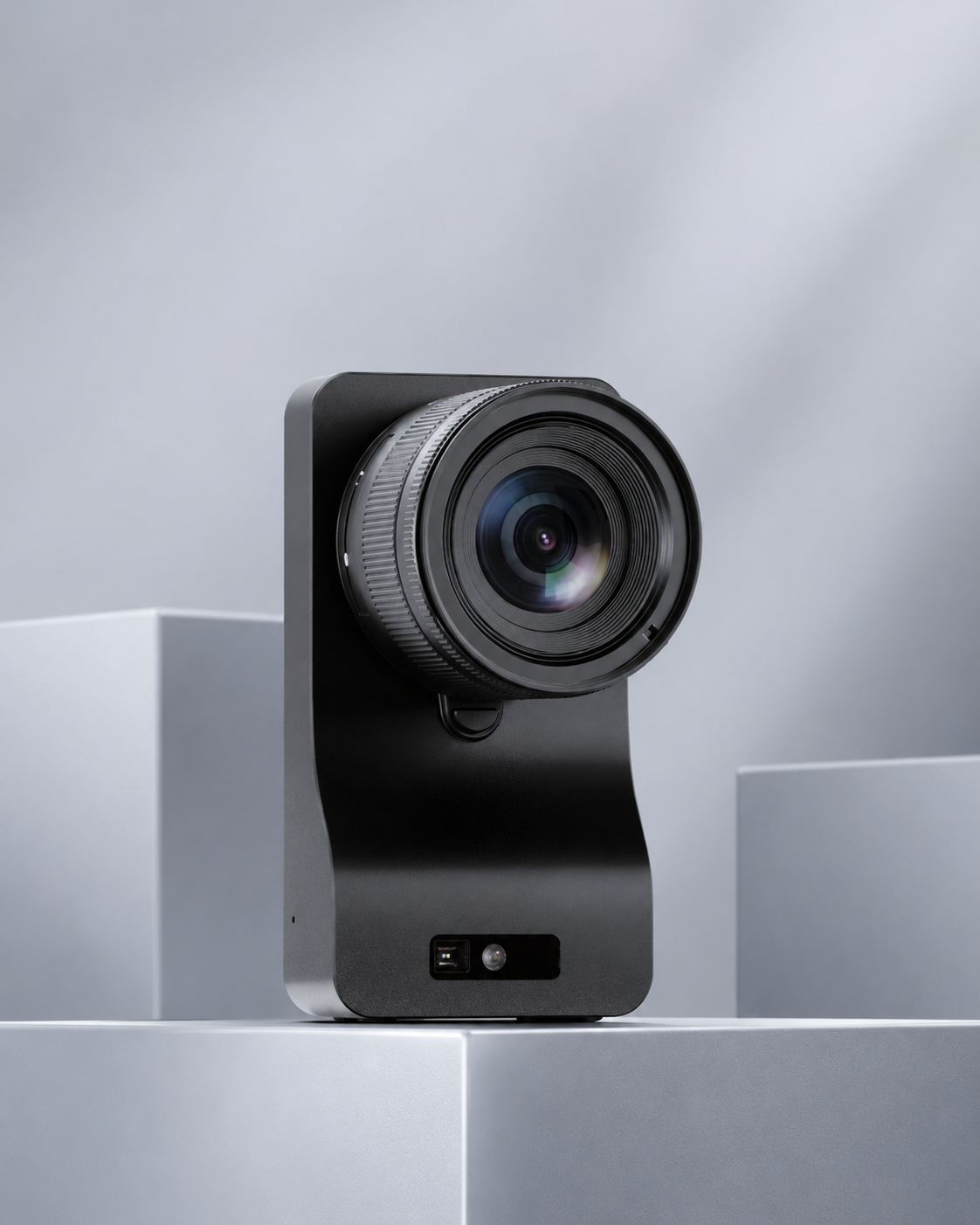
At CES 2026, Kickers.ai partnered with a professional imaging device brand to showcase the S3/S7 AI Live Streaming Camera Series. Through full-stack support in hardware, edge AI, ISP tuning, engineering, and mass production, the project transformed traditional live streaming cameras into integrated professional vision terminals for the HD live streaming market.
Industry Pain Points
1. Most live streaming devices simply stack pixels without collaborative optimization of sensors, optics and algorithms, resulting in poor image quality and color distortion under complex light conditions;
2. Professional live streaming has high barriers with complicated parameter debugging and unstable focusing, making it difficult for beginners to get started quickly;
3. Long-hour live streaming faces problems such as heat dissipation stuttering and frequency reduction, failing to meet the demand for 7×24-hour normal live streaming;
4. Live streaming devices have a single form with insufficient scalability in multi-platform adaptation, horizontal/vertical screen switching and peripheral compatibility.
Solution: Full-Stack Vision System Capabilities of Kickers.ai
Relying on core advantages in optical design, camera modules, edge AI algorithms, ISP system tuning and complete machine engineering integration, Kickers.ai builds a closed loop of "Hardware Customization → Algorithm Adaptation → System Tuning → Engineering Implementation → Mass Production Stability". Through in-depth co-creation, it reconstructs the live streaming imaging architecture from the bottom up, balancing professional image quality, minimalist operation and long-term stability, and greatly lowering the threshold for the implementation and application of professional live streaming devices.
Benchmark Practice: S3/S7 AI Live Streaming Camera Series
As a system-level partner, Kickers.ai deeply participated in the whole R&D process of S3/S7 and overcame multiple technical and experience challenges in live streaming scenarios:
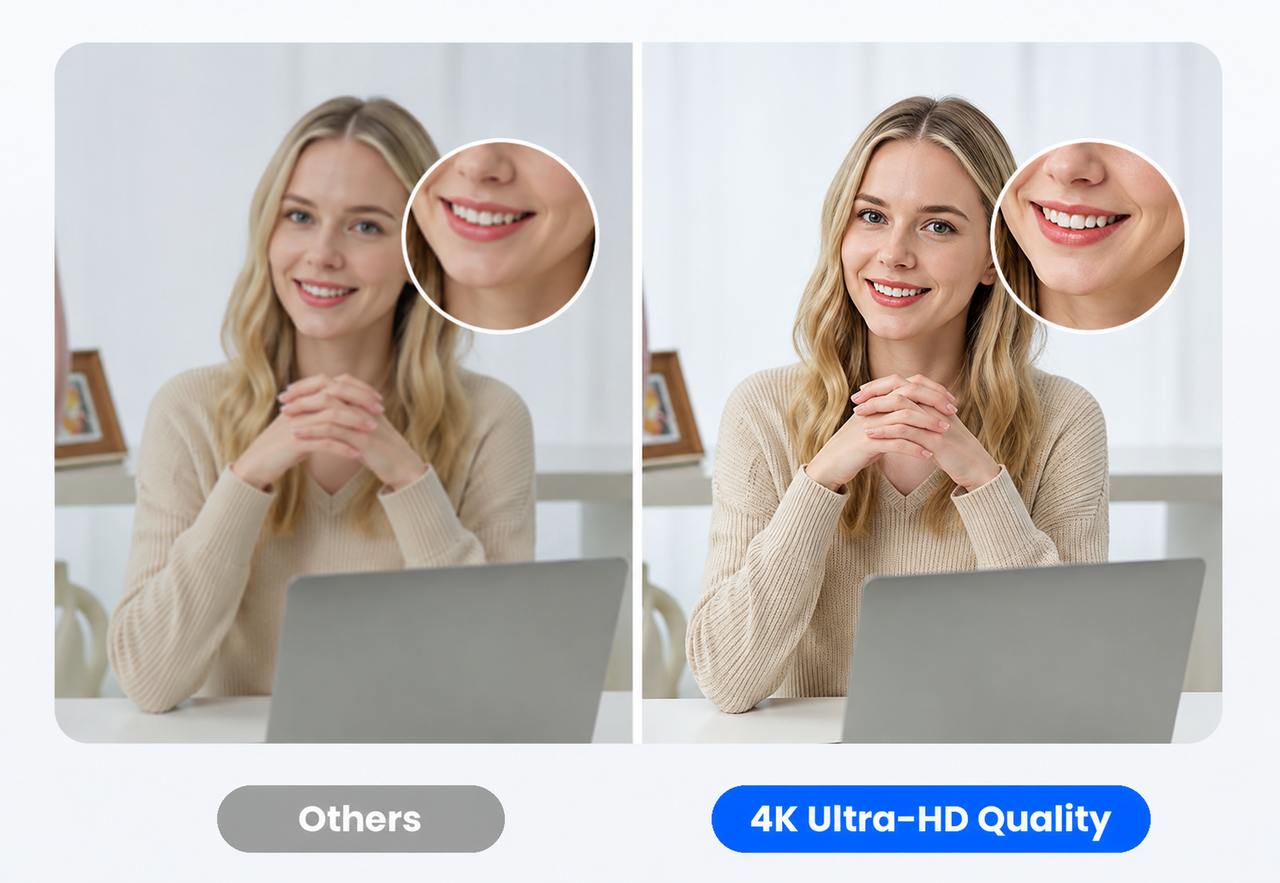
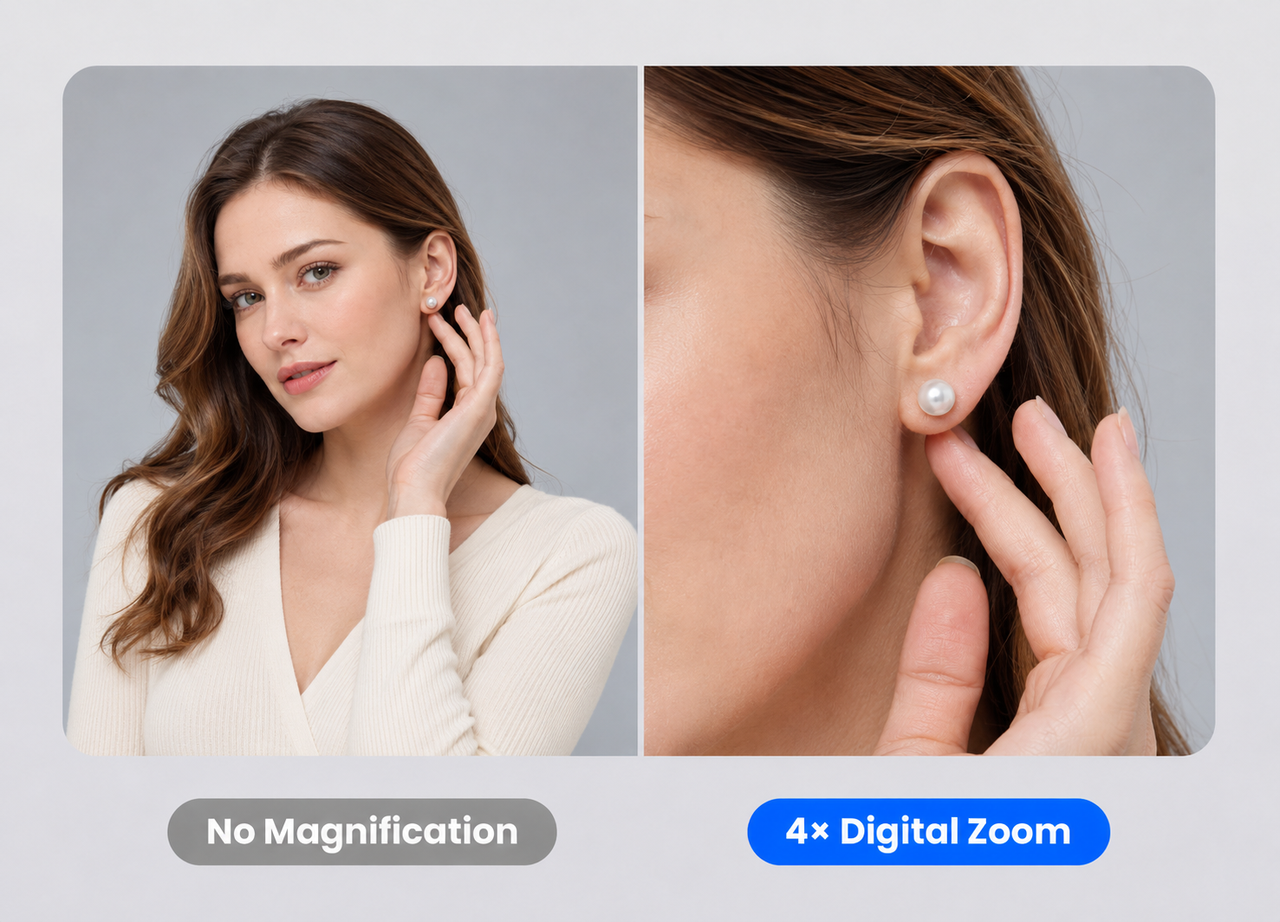
1. Hardware Imaging Specifications: S3 is equipped with a 1/1.3-inch large bottom sensor and F1.85 large aperture, supporting 4K@30fps and 1080P@60fps output; S7 adopts a 4/3-inch professional-grade large bottom CMOS and F1.7 large aperture, with hardware specifications comparable to professional cameras, greatly improving low-light light intake and image resolution.
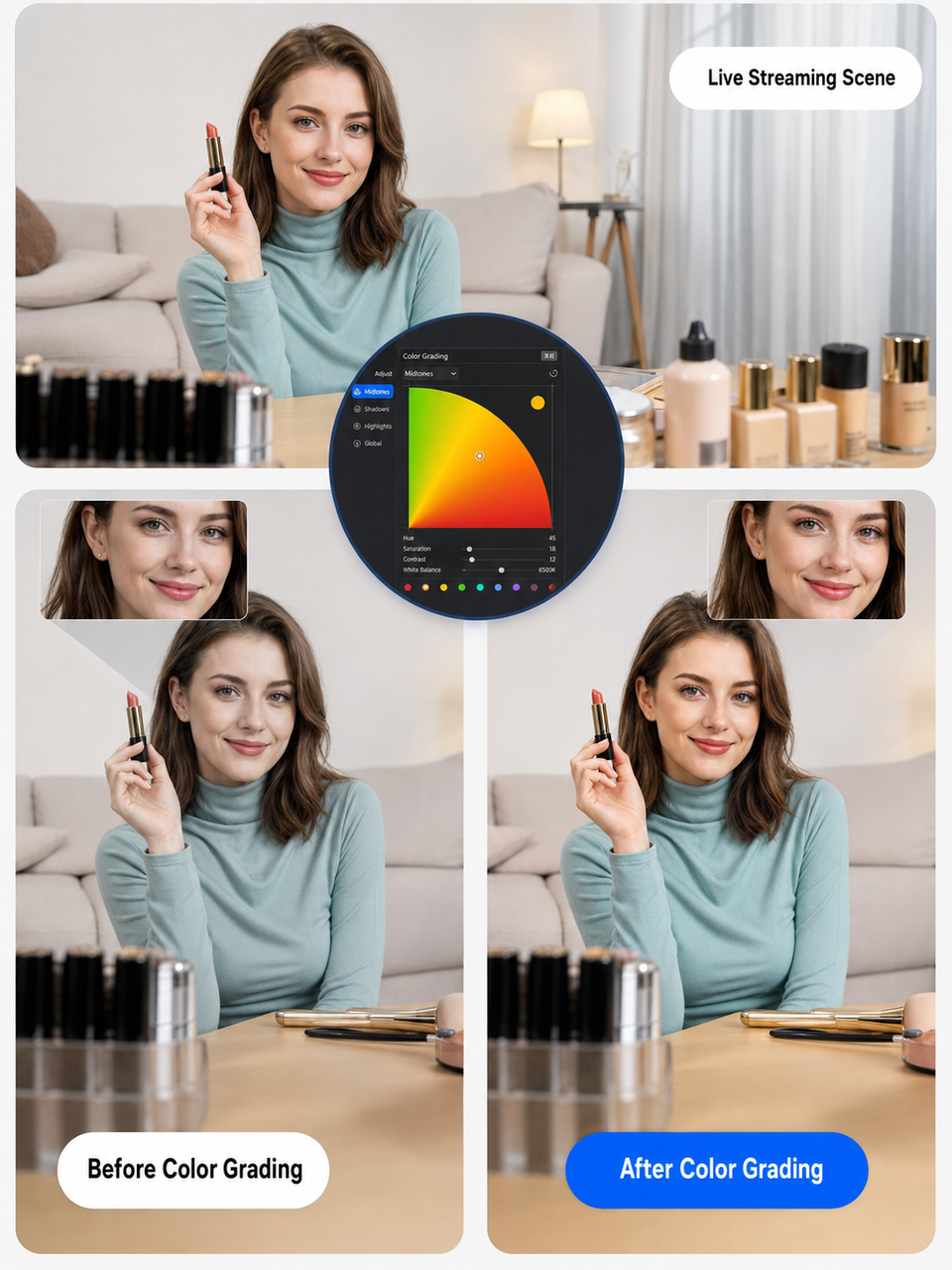
2. Intelligent Imaging Algorithms: Built-in Mozi AI parameter tuning large model automatically adjusts shutter and ISO adapting to live streaming scenarios; S7 is equipped with Van Gogh real-time color grading and ToF laser millisecond-level follow focus, realizing professional color correction and imperceptible tracking focus.
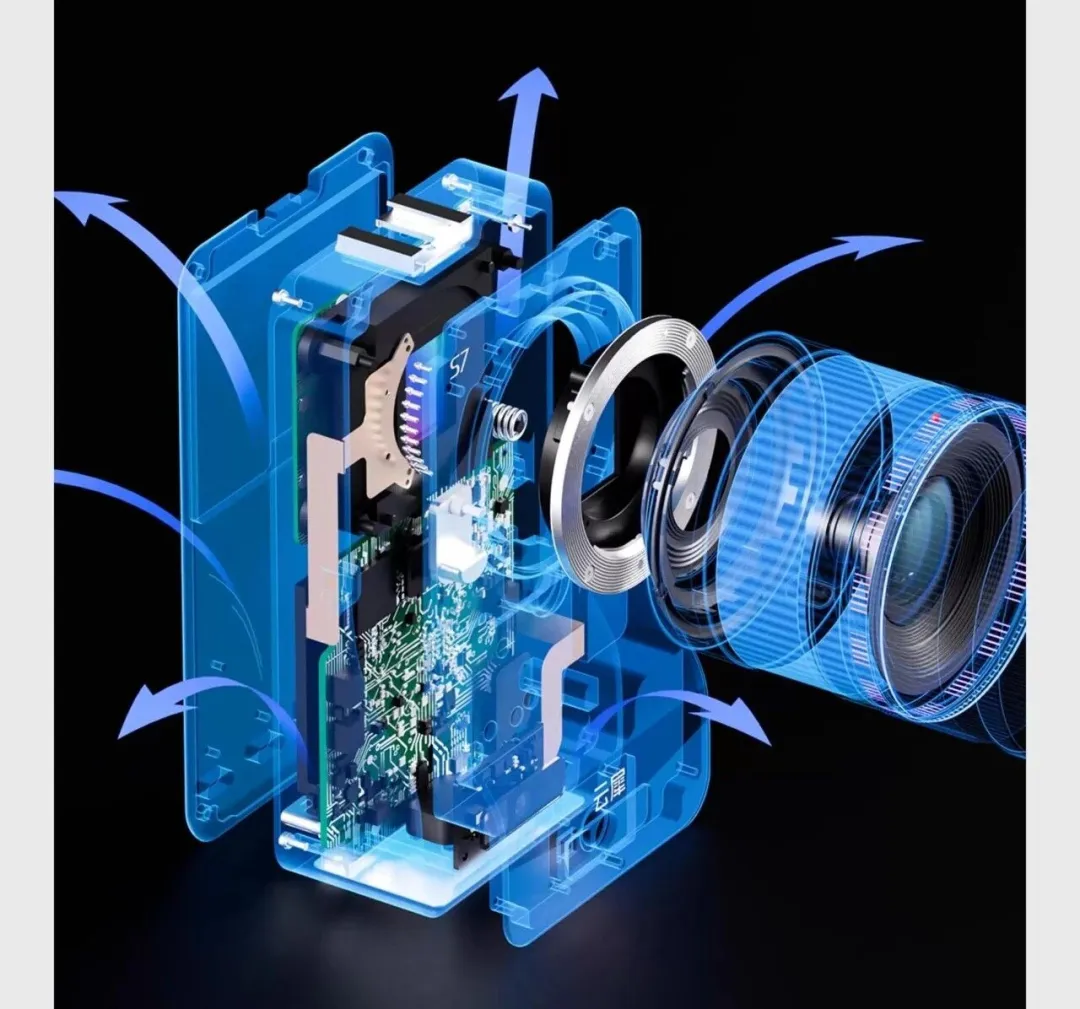
3. Engineering Stability: Exclusive structural heat dissipation design combined with aluminum alloy auxiliary heat dissipation supports 7×24-hour uninterrupted stable live streaming with no stuttering or thermal noise during long-term operation.
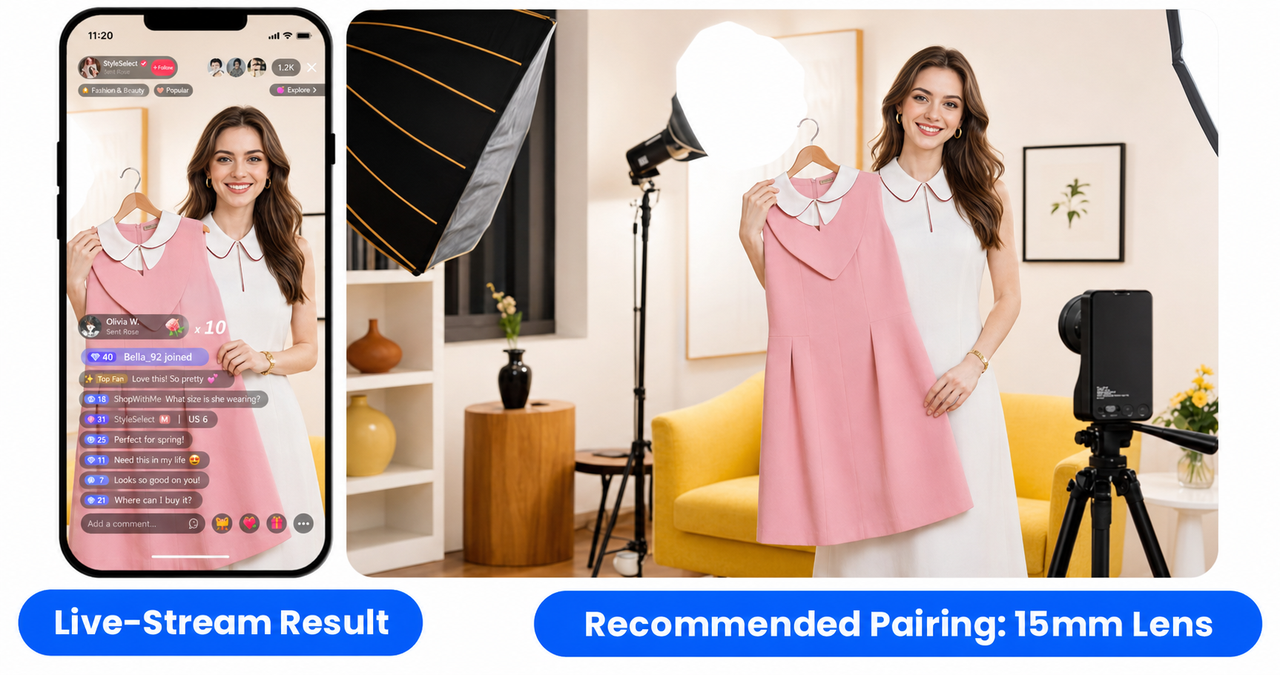
4. Full-Scenario Adaptation: Supports free switching between horizontal and vertical screens, HDMI+USB dual-channel output, Type-C direct connection to computers without acquisition cards. It adapts to standing/sitting live streaming and multi-platform synchronous live streaming, compatible with beauty, jewelry, clothing, education and training and other full-category scenarios.
From an Engineer’s Perspective: Technical Decision-Making & Project Stories
I. Project Background: Why We Took On The Live Streaming Image Upgrade Challenge
As a vision engineering team, we often face the question: "Ordinary cameras can support live streaming, why develop professional AI live streaming cameras?"
The S3/S7 project aimed at the core pain points of the industry from the project initiation:
To break the chaos of live streaming devices stacking parameters without focusing on tuning, and achieve professional camera-level image quality;
To intellectualize complex imaging parameters, enabling zero-based anchors to output high-quality works without professional debugging;
To achieve strong heat dissipation and low power consumption in a compact body to support all-weather long-hour live streaming;
To balance four dimensions including image quality, focusing, color grading and adaptability, and redefine the next-generation form of live streaming imaging.
For the team, this is not just developing a live streaming hardware, but architecture reconstruction and engineering balance tackling of vision systems in live streaming scenarios.
II. Technical Challenges & Engineering Decision Stories
1. Why Insist on Collaborative Optimization of Large-Bottom Sensor and Optical Algorithm
The team had differences in technical routes in the early stage of the project:
Option A: Adopt conventional small-bottom sensors with low cost and easy body design, but suffering from overexposure under strong light, serious noise under weak light and lack of image hierarchy, only meeting basic live streaming needs.
Option B: Equipped with 1/1.3-inch/4/3-inch large-bottom sensor and large aperture to maximize hardware light intake, but putting forward extremely high requirements for optical matching, ISP tuning and body structure design.
We finally firmly chose Option B and carried out full-link customized optimization.
The core reason is that live streaming scenarios cover complex environments such as indoor weak light, outdoor strong light and fill light. Simple high pixels cannot solve the essential problem of image quality. The team customized optical lens modeling and exclusive ISP curve tuning, combined with dual native ISO algorithms, greatly improving dynamic range and low-light purity, accurately restoring anchor skin tone and product true color, and realizing value landing from hardware specifications to actual image quality. This is a technical trade-off of prioritizing user experience and actively increasing the difficulty of optical and algorithm engineering.
2. Heat Dissipation Breakthrough for Continuous Live Streaming: From Short-Term Availability to 7×24-Hour Stable Operation
Live streaming cameras have a compact body but need to carry high-spec sensors and AI algorithm computing power. Long-term operation is prone to heating frequency reduction, image stuttering and soaring thermal noise, which is a common problem in the industry.
Traditional small live streaming devices only rely on passive heat dissipation and cannot support all-weather live streaming; increasing the body size violates the demand for lightweight portability.
The team implemented a dual solution of structural heat dissipation + algorithm power consumption regulation:
Hardware: Optimize the internal layout of the body, adopt aluminum alloy body for fitting heat conduction, and match with large-space convection heat dissipation structure to quickly dissipate heat from sensors and chips and eliminate local hotspots.
Software: Develop an intelligent load adjustment algorithm to dynamically adapt AI computing power, frame rate and ISP workload according to operating temperature. Under high temperature scenarios, priority is given to ensuring imaging stability and smooth focusing instead of blind performance output.
After multiple rounds of structural iteration and algorithm tuning, the final product passed long-term aging tests and stably realized 7×24-hour uninterrupted live streaming.
3. AI Intelligent Design: Professional Imaging Bid Farewell to Complex Manual Parameter Tuning
The high threshold of professional live streaming mainly lies in parameter debugging, color calibration and focus control, which are difficult for beginners to master and time-consuming for professional anchors.
The team abandoned the traditional fixed parameter mode and introduced in-depth adaptation of edge AI large model:
Trained by thousands of real live streaming scenario data, the Mozi AI parameter tuning model automatically optimizes exposure, color and definition adapting to different scenarios; S7 exclusively supports absorbable real-time color grading and professional spider web color disc, completing low-latency color correction on the edge side; adapting full-pixel PDAF+ToF laser dual focusing scheme to achieve 0.3-second fast focusing and mobile imperceptible follow focus.
Centered on the design concept of minimalist operation and professional output, it smooths the technical threshold of professional live streaming and realizes the popularization of technology.
III. How The Full-Stack R&D System Accelerated Project Delivery
From joint definition to mass production launch, the R&D cycle of S3/S7 is nearly 40% shorter than that of traditional live streaming devices, relying mainly on Kickers.ai's full-stack engineering capabilities:POC Studio ;
Rapid scheme verification: Synchronously complete prototype construction of sensor selection, optical matching and algorithm transplantation, finalizing the feasibility of the core scheme of large-bottom + AI vision within 2 weeks;
Parallel trial and error of multiple paths: Simultaneously test multiple sets of heat dissipation structures, focusing algorithms and ISP tuning schemes to quickly eliminate inefficient technical paths;
Mass production alignment in R&D stage: Structural, circuit and algorithm design in the R&D stage directly align with mass production processes, avoiding large-scale mold modification in the later stage and realizing seamless connection from R&D to mass production.
IV. Project Outcomes & Industry Value
Successfully launched S3 mass flagship and S7 professional-grade dual-series AI live streaming cameras, building a hierarchical live streaming imaging product matrix;
Verified the implementation feasibility of large-bottom optics + edge AI + complete machine heat dissipation engineering in compact live streaming devices;
Realized the industry upgrade of live streaming devices from "single camera peripheral" to "professional vision terminal";
Provided reusable system-level R&D and mass production paths for live streaming, short video creation, commercial real shooting and other vision devices.
Industry Value
Kickers.ai empowers the live streaming track with full-stack vision technology, providing low-threshold, high-image quality and high-stability AI vision solutions for personal live streaming, e-commerce live streaming, professional creation and commercial real shooting scenarios. At the same time, it standardizes capabilities such as optical design, AI algorithms, system integration and engineering heat dissipation, extending to smart home, portable imaging, wearable devices and other fields, and continuously promoting the commercial implementation of AI vision technology.